Beyond the Room: Presenting the Experience of a Japanese Ryokan
A ryokan is more than a place to sleep. Discover how thoughtful photography, visual storytelling and digital presentation can help guests understand its character before they arrive.
A guest may first discover a ryokan through a photograph.
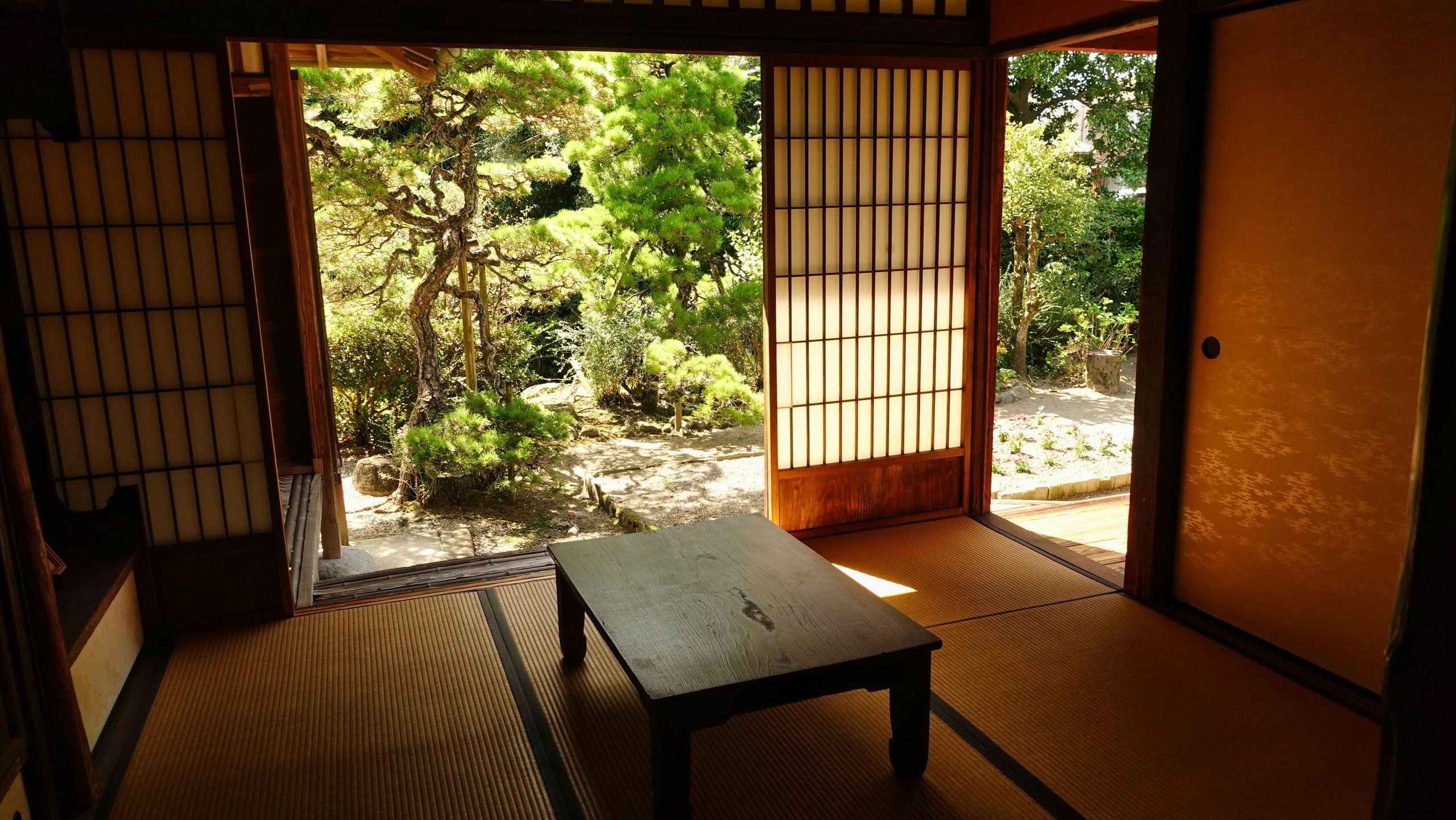
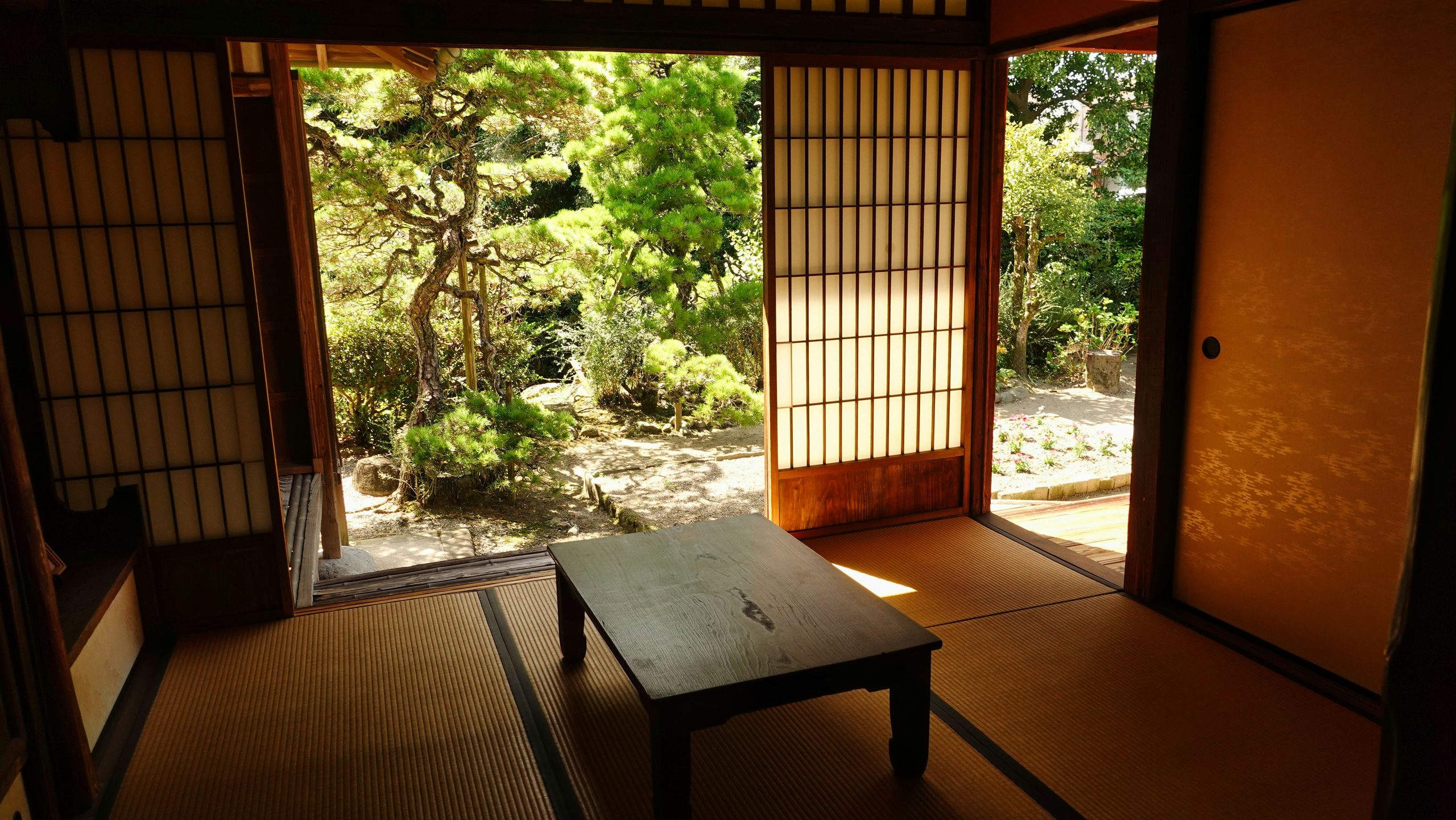
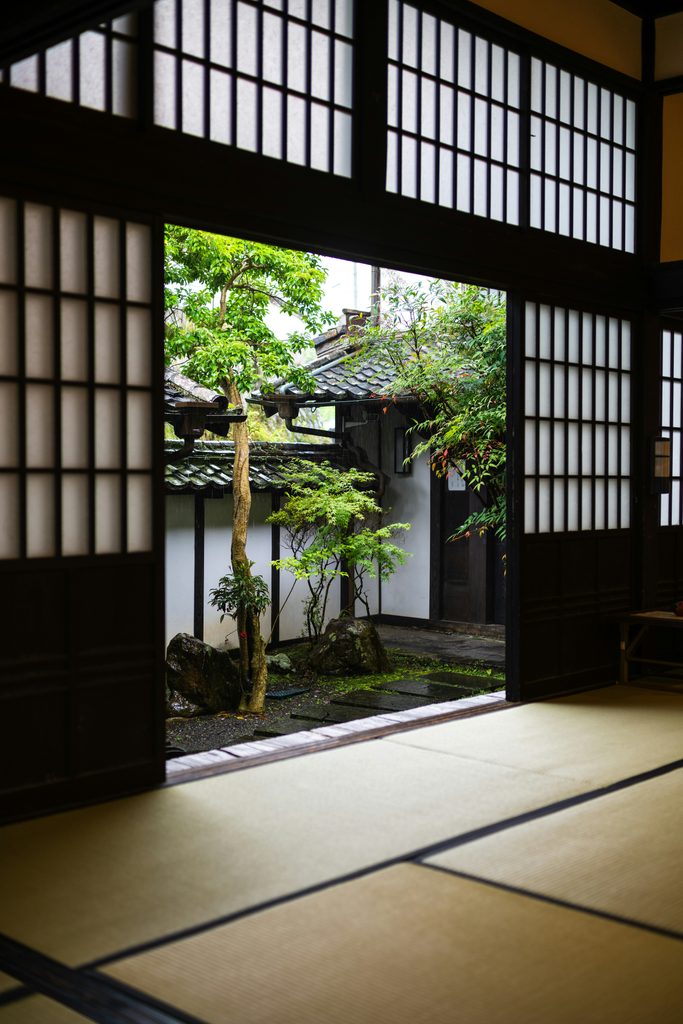
Perhaps it is the soft light falling across a tatami room, the reflection of a garden in a quiet window, or the delicate arrangement of a tea setting. For a moment, the image offers something more than information. It suggests a feeling.
But what happens when a property is presented only through a collection of rooms, facilities and amenities?
The photographs may be beautiful, yet the experience can remain difficult to imagine. The atmosphere, the relationship with the surrounding landscape, the attention to detail and the rhythm of a stay may never fully emerge.
For ryokan owners and hospitality professionals, this creates an important opportunity: to move beyond showing the room and begin communicating the experience.
1. A Ryokan Is an Experience, Not a Checklist
A room photograph can communicate its size, layout and furnishings. These details matter, especially when guests are comparing accommodation options. But they rarely tell the whole story.
The character of a Japanese ryokan often emerges through the relationship between its elements: architecture, materials, light, hospitality, food, gardens and the surrounding landscape.
A wooden threshold, the texture of a tatami mat, the view from a bath, or the transition between an interior space and a garden can contribute to the identity of a property.
Individually, these details may seem modest. Together, they help create a distinctive sense of place.
Visual presentation should therefore do more than document what exists. It should help the prospective guest understand how the different elements belong together.
The objective is not to make a ryokan look more luxurious than it is. It is to reveal the qualities that already make it worth discovering.
2. Build a Visual Story Around the Stay
A coherent visual presentation begins with a simple question:
What should a guest understand, feel or imagine before choosing this ryokan?
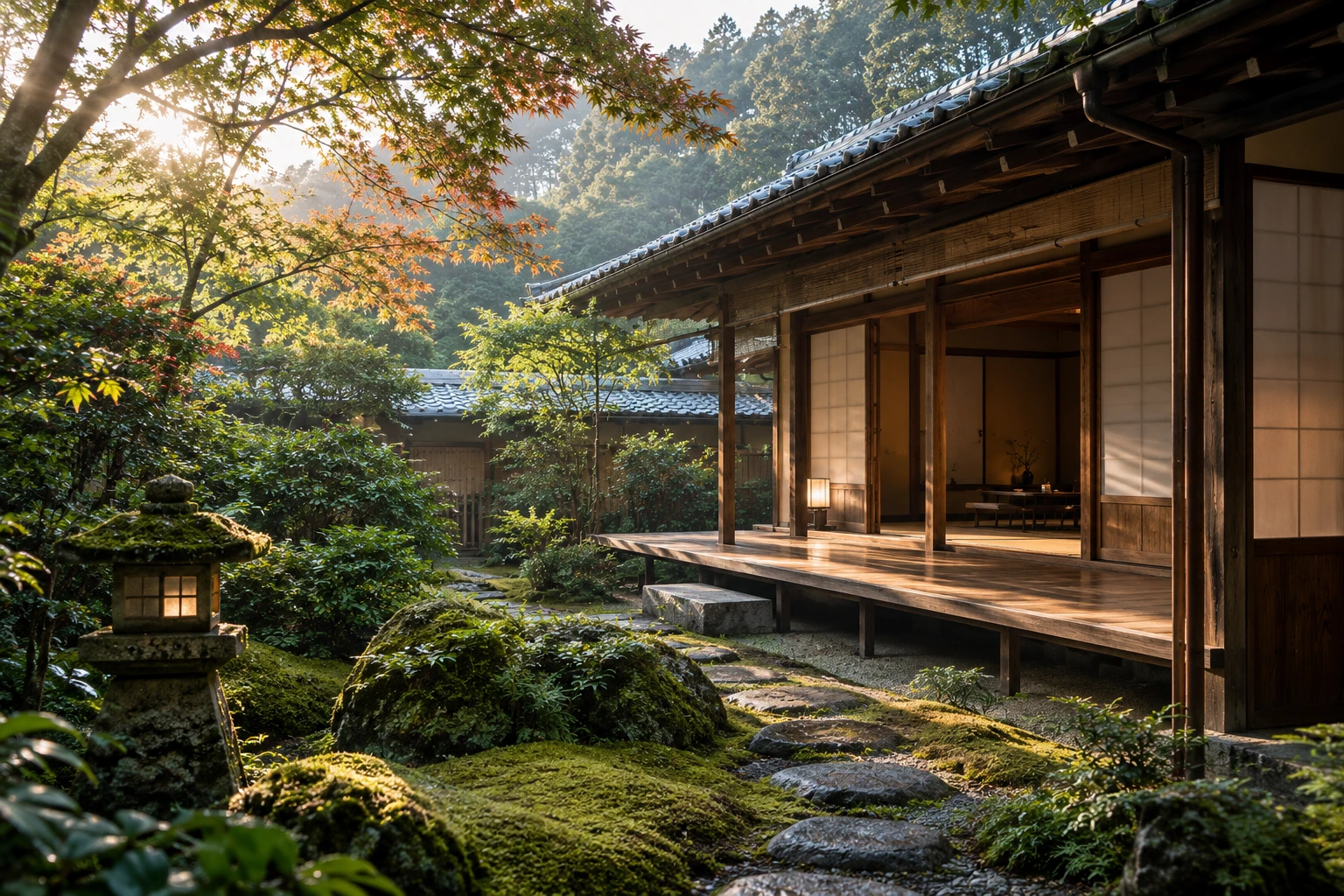
The answer will differ from one property to another. A historic inn in a mountain village may draw its character from heritage, seasonal change and a close relationship with nature. An urban ryokan may express a different balance of tradition, privacy and contemporary comfort.
Rather than applying the same visual formula to every property, the imagery should reflect its individual character.
A useful starting point is to think in terms of three complementary layers.
The space
Show the architecture, rooms, materials and amenities clearly. Guests need to understand what they are booking, not simply admire an attractive image.
The atmosphere
Use light, perspective, composition and carefully selected details to convey the qualities that distinguish the property. A wide view may establish the space; a closer image may communicate the texture of wood, the softness of a fabric or the changing light across a room.
The experience
Help guests imagine how the different spaces relate to a stay: arriving, entering the room, looking out towards the garden, sharing a meal or enjoying a quiet moment.
These layers need not be presented as a literal sequence. They should work together to create a visual narrative that is clear, recognisable and specific to the property.
3. Photography That Communicates, Not Just Decorates
High-quality hospitality photography is not simply a matter of making interiors look attractive. Each image has a role to play.
A balanced visual selection might include:
- Establishing images that communicate the architecture, setting and overall character of the property.
- Room and interior photographs that show layout, proportions, materials and practical details.
- Detail images that reveal craftsmanship, textures, table settings or other distinctive elements.
- Experience-led imagery that helps the viewer imagine how the spaces are used throughout a stay.
- Seasonal or landscape photographs, where appropriate, that connect the property to its surroundings.
The selection matters as much as the individual photographs. Ten images that repeat the same angle may communicate less than a smaller, carefully considered sequence.
Consistency matters, too. Differences in colour balance, brightness, contrast and perspective can make a website feel fragmented, even when every photograph is attractive on its own.
Thoughtful image selection and restrained post-production can help create a more coherent presentation while preserving the authentic character of the place.
The guiding principle is simple: improve clarity without losing character.
4. The Website Is Part of the Guest Experience
Photography does not operate in isolation. The way images are organised and presented online influences how a property is understood.
A prospective international guest may encounter a ryokan through a search result, a social media post, an online travel agency or a recommendation. The property’s own website can then provide a deeper understanding of its identity and offering.
This makes digital presentation an important part of the broader hospitality experience.
A considered website should help visitors answer a few essential questions:
- What makes this ryokan different?
- What kind of stay can I expect?
- What are the rooms, facilities and services actually like?
- Where is the property, and how does it relate to its surroundings?
- Can I find the practical information I need to make a decision?
The answers should be easy to find. Clear navigation, readable text, useful captions and a logical image sequence all contribute to a more confident browsing experience.
For an international audience, clarity is particularly important. Japanese architectural features, bathing customs, dining arrangements or room configurations may be familiar to some visitors and new to others. Visuals and concise explanations can work together to make these features understandable without reducing their cultural meaning to clichés.
The goal is not to make every ryokan look international in the same way. It is to help the right guests understand what makes each property distinctive.
5. Authenticity Is a Commercial Asset
A visually polished presentation should never create expectations that the actual stay cannot fulfil.
If a room is compact, the images should communicate it honestly. If a garden is seasonal, its presentation should not imply that it looks identical throughout the year. If a particular view or amenity is available only in selected rooms, the accompanying information should make that clear.
The same principle applies to image editing and AI-assisted visual tools. Post-production can improve tonal consistency, correct distractions and help organise a presentation. It should not misrepresent the property’s architecture, amenities or real conditions.
For hospitality businesses, this is more than an aesthetic consideration. Photographs help shape expectations before arrival. A compelling image attracts attention. A credible image helps establish trust.
For a property whose value rests on atmosphere, hospitality and a distinctive sense of place, those two qualities should work together.
6. A Practical Starting Point for Ryokan Owners
Improving a property’s visual presentation does not necessarily require a complete website redesign or a new photography campaign from the outset.
A focused review can reveal where the greatest opportunities lie.
Start with the first impression. Look at the images visitors encounter first on the homepage, accommodation pages and key booking channels. Do they communicate the property’s character, or simply show a series of interiors?
Review the image sequence. Does the selection tell a coherent story? Are important spaces missing? Are several photographs performing the same role?
Check visual consistency. Compare colour, brightness, contrast and composition across the main images. A coherent visual language can make the entire presentation feel more considered.
Assess the information around the images. Are captions, room descriptions and practical details clear? Can an international visitor understand what is included and what makes the stay distinctive?
Identify the next improvement. This might be a better selection of existing photographs, a more coherent image treatment, a clearer accommodation page or a carefully planned set of new visuals.
The most effective first step is often not to create more content, but to make better use of the content already available.
Beyond the Room
A Japanese ryokan does not need to abandon its identity to communicate with an international audience. Quite the opposite: its individuality is often what makes it compelling.
The task is to make that individuality visible.
Through considered photography, coherent visual storytelling and clear digital presentation, a property can communicate not only what it offers, but what makes the experience its own.
A room is part of the story. So are the light, the materials, the landscape, the rituals and the quiet details that guests may remember long after they leave.
The impression begins before arrival. It is what remains that matters.
At Nagori Visual, we explore how visual storytelling and digital presentation can help exceptional places in Japan communicate their character to an international audience.
Planning a hospitality project?
Tell us about the place you want the world to discover.